Worth it if
You wear hats year-round.
The Thermal line makes Melin useful outside summer, gym, pool, and beach days. It is for daily hat wearers who want one cleaner cold-weather option.
Melin Thermal / Cold-weather cap
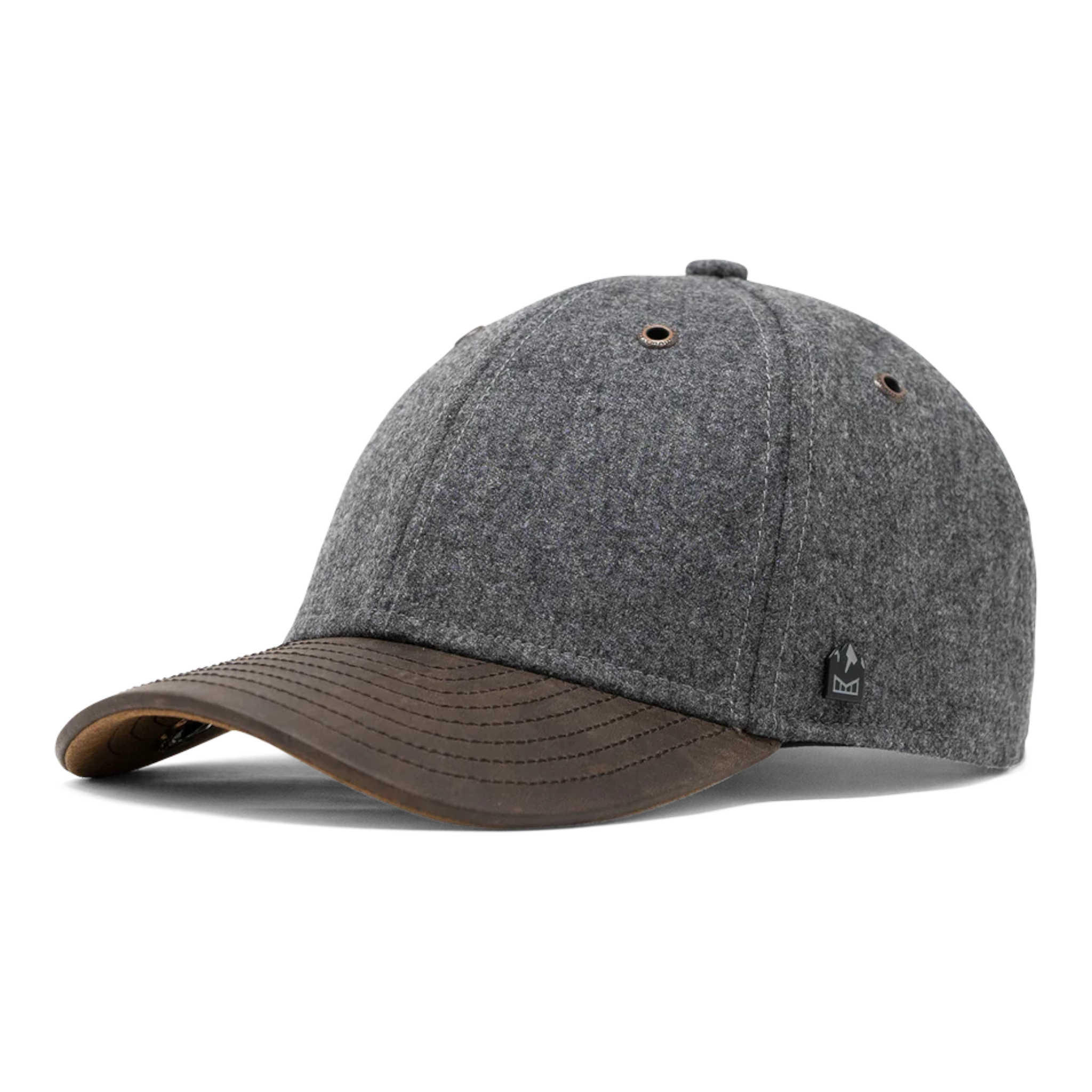
Verdict
I bought into Melin because Hydro solved the cheap-hat problem: sweat, pool water, heat, travel, and daily wear. Thermal is not trying to win that same test. It solves a different problem: what to wear when a normal performance cap looks too summery, but a beanie changes the whole outfit.
After several colder-weather seasons, my thermal hat still belongs in the rotation. It is more polished with jackets and fall layers, it is warmer than a normal cap, and it keeps the structured cap profile that makes Melin useful in the first place.
Hydro vs Thermal
| Line | Best use | Why |
|---|---|---|
| Hydro | Sweat, water, pool, beach, gym, warm-weather travel | Water-repellent, sweat-repellent, easy-rinse, breathable, and designed to float. |
| Thermal | Cold-weather casual wear, jackets, fall layers, errands, travel | Warmer seasonal materials, more polished with winter clothing, and better when Hydro feels too summery. |
| Beanie | Deep cold, ear coverage, maximum warmth | Less polished as a cap, but more protective when warmth matters more than structure. |
Durability after several seasons
The cold-weather hat slot only matters if the hat still looks clean after actual seasons of use. Mine does. The shape, brim, and overall presentation have stayed strong enough that it still feels like a deliberate outfit piece, not old gear.
Sources
I use Melin pages for what the company says about materials and intended use. The verdict comes from my own rotation: Hydro first, Thermal later, several seasons of cold-weather wear, and the question of whether the hat still earns a spot.
Source
Melin positions Scout Thermal as a cold-weather line with water-resistant wool exterior, leather trim, moisture-wicking liner, and a moderate temperature range.
Source
Official product page describing Climate Adapt Technology, Merino wool exterior, Nappa leather visor and strapback, and antimicrobial/durable feature language.
Source
Hydro reference point for the warm-weather line: water-repellent, sweat-repellent, easy-rinse, breathable, and designed to float.
FAQ
It is warmer than a normal cap and makes sense for moderate cold, but I would not treat it like a deep-winter beanie replacement. The value is cold-weather style plus moderate warmth, not maximum coverage.
Melin describes the Scout Thermal collection as water-resistant and built with wool and moisture-management details, but I would not frame it like a full waterproof shell. For water-duty hats, Hydro is the better Melin line.
It depends on the job. The Scout Thermal looks cleaner with jackets and everyday outfits. A beanie is better when the goal is maximum warmth or ear coverage.
The exact feel can vary by model and size, but the practical difference is use case: Hydro is the sweat and water line; Thermal is the colder-weather cap lane. Check Melin fit guidance before buying.
It is worth it for frequent hat wearers who want a premium cold-weather cap and will actually wear it through fall and winter. It is harder to justify if you only need one occasional winter hat.