Garmin epix Pro Gen 2 Sapphire Edition 51mm review
Garmin epix Pro Gen 2 Sapphire 51mm Review
The watch that finally made my health data actionable.
I bought the Garmin epix Pro Gen 2 Sapphire Edition, 51mm after comparing it against WHOOP, the Venu 4, another Venu 3, and the Fenix 8. The reason it stuck was simple: my Function Health bloodwork was strong overall, but the caveats needed a daily dashboard I could actually act on.
Disclosure: the Amazon link is an affiliate link. If you buy through it, Iron & Threads may earn a commission at no extra cost to you. I bought this watch with my own money, and the review stays editorial either way.
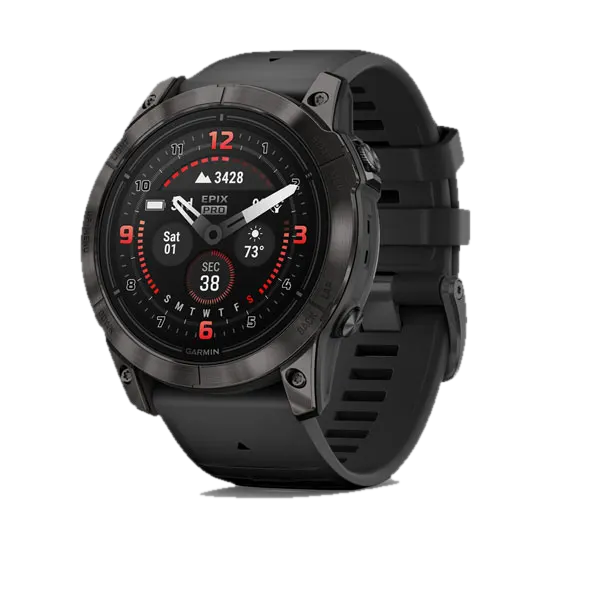
Battery
31 days
smartwatch mode
GPS
82 hours
GPS-only mode
Size
51mm
sapphire edition
Display
AMOLED
visible dashboard
The short version
It was the bridge between lab data and behavior.
My Function Health panel showed omega-3 at 3.2% by weight, LDL particle number at 1279 nmol/L, ApoB 81 mg/dL, Lp(a) 23 nmol/L, hs-CRP 0.2 mg/L, and HbA1c 5.2%. The Garmin epix Pro Gen 2 Sapphire Edition, 51mm turned those prevention signals into daily HRV, sleep, Training Readiness, and heart-rate-zone feedback. Iron & Threads score: 92/100. Source: personal labs, owned-watch testing, and Garmin specs.
Boundary
Wearable data is useful, but it is not medical care.
This Garmin review explains how I use HRV, sleep, training readiness, and heart-rate zones as behavior feedback. It is not medical advice; symptoms, diagnoses, medications, and treatment decisions belong with qualified professionals.
- Educational field notes, not medical advice.
- No clinician reviewed this page.
- Use qualified professionals for diagnosis, treatment, medication, supplement, and testing decisions.
Review verdict
Garmin epix Pro Gen 2 Sapphire Edition 51mm: the clean scan.
My verdict is simple: this is the Garmin I would buy again for a fitness-first, data-driven life. The battery, AMOLED screen, maps, Training Readiness, HRV, sleep tracking, and flashlight all support the same outcome: fewer vague health intentions and more daily decisions I can act on.
That is the clean scan. The full story starts with a watch I slowly stopped wearing, a recovery band that gave me a useful clue, and lab results that made prevention feel specific instead of vague.
Summary
Product reviewed
Garmin epix Pro Gen 2 Sapphire Edition, 51mm
Bought for
Visible health and training feedback after Function Health labs
Compared against
WHOOP, Venu 4, another Venu 3, Fenix 8, Apple Watch
Best for
Data-driven lifters, runners, parents, and longevity-focused Garmin users
Not for
Small wrists, mini-phone smartwatch needs, or people who only want the newest flagship
Pros
- AMOLED display makes live training data easy to use.
- 51mm battery life removes the charging friction that made me stop wearing my old watch.
- Training Readiness, HRV Status, sleep, maps, and heart-rate zones make the data practical day to day.
- Built-in LED flashlight became more useful than expected in normal family life.
- On sale, it delivered most of what I wanted from the Fenix 8 for less money.
Cons
- The 51mm case is large and will not fit every wrist comfortably.
- Garmin Connect is powerful, but the metric overload can be intimidating at first.
- The charging puck works, but WHOOP-style on-wrist charging would be better.
- Garmin HRV Status is useful as a trend, but it can be less blunt than WHOOP about recovery concerns.
Test method
Tester
40-year-old lifter, parent, daily trainer, and Garmin Venu 3 owner moving into more structured cardio.
Primary use
Lifting, Zone 2 running, Zone 4 intensity, sleep tracking, HRV trends, Training Readiness, and daily recovery decisions.
Health context
Function Health bloodwork showed strong baseline markers with low omega-3 and advanced LDL particle caveats worth acting on.
Review lens
This is a lived-use review, not a lab instrument test. The question is whether the watch made better behavior easier to repeat.
Clarifier
Not the standard Epix Gen 2 47mm
This review is for the Garmin epix Pro Gen 2 Sapphire Edition in the 51mm size. The bigger case matters because battery life and screen space are part of why it worked for me.
Clarifier
Not just a cheaper Fenix 8
The Fenix 8 still has newer hardware and feature differences. I chose the epix Pro because the sale price, AMOLED screen, battery life, maps, and training stack were the better value for my use case.
Clarifier
Not a passive recovery band
WHOOP helped make HRV feel urgent, but the epix Pro put pace, zones, readiness, sleep, and maps on a screen I could act on during training.

Why I was looking
My old watch created friction. WHOOP gave me the clue.
I liked my Venu 3, but once the battery deteriorated I wore it less. WHOOP then showed me that my HRV was lower than expected for someone who trained often. It also reminded me that recovery data has to survive real parent-life sleep. The lesson was useful, but the no-screen form factor did not match how I use data.
The clue
WHOOP
Useful recovery signal, wrong device for me.
WHOOP helped me notice that my HRV was lower than expected, but the lack of a screen kept the signal passive. I wanted active data on the wrist, not just a recovery score after the fact.
The familiar path
Venu 4
Good lifestyle health watch, not the deeper tool I wanted.
I liked my Venu 3, but after battery deterioration I wanted to move into Garmin performance territory: maps, endurance tools, bigger battery, and more training depth.
The flagship temptation
Fenix 8
Excellent, but not the value winner for my use case.
The Fenix 8 AMOLED 51mm is newer and very capable. On sale, the epix Pro Gen 2 gave me almost everything I cared about for much less money.
The choice
epix Pro
AMOLED, long battery, premium training, maps, flashlight.
It hit the sweet spot: a real screen, serious battery life, advanced Garmin metrics, a rugged build, and the daily action layer I needed.
WHOOP gave the clue. Garmin gave the controls.
Same recovery question. Very different behavior loop.
This is the comparison that mattered most for me: WHOOP made the recovery issue feel urgent, but Garmin gave me a visible screen and training controls I could actually use while I was doing the work.
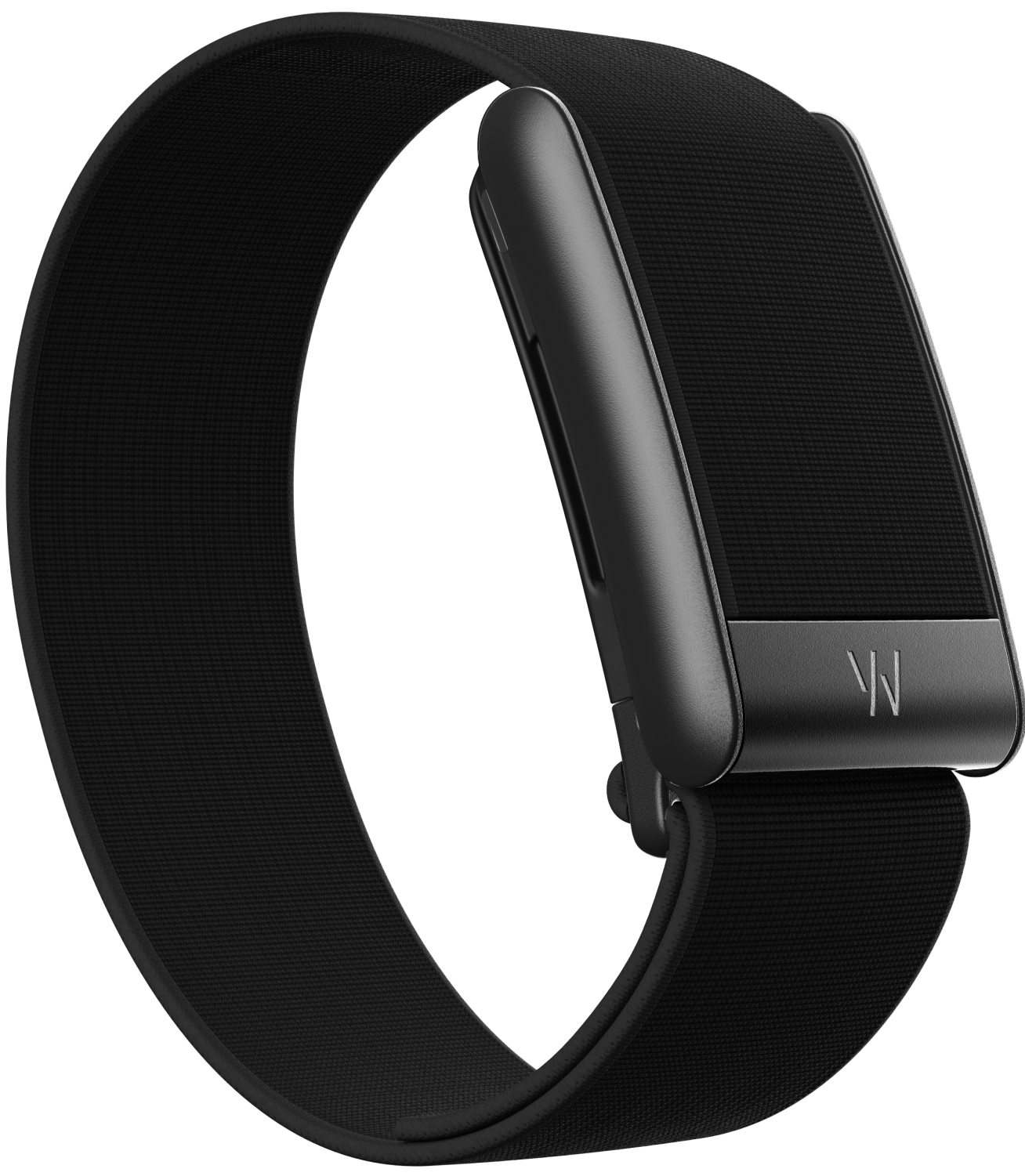
That is the whole fork in the road: WHOOP gave me the clue, but Garmin made the clue operational. I need to see the data while I run, lift, recover, and decide what the next session should look like.

The Function Health connection
The labs gave me signal. Garmin gave me the action layer.
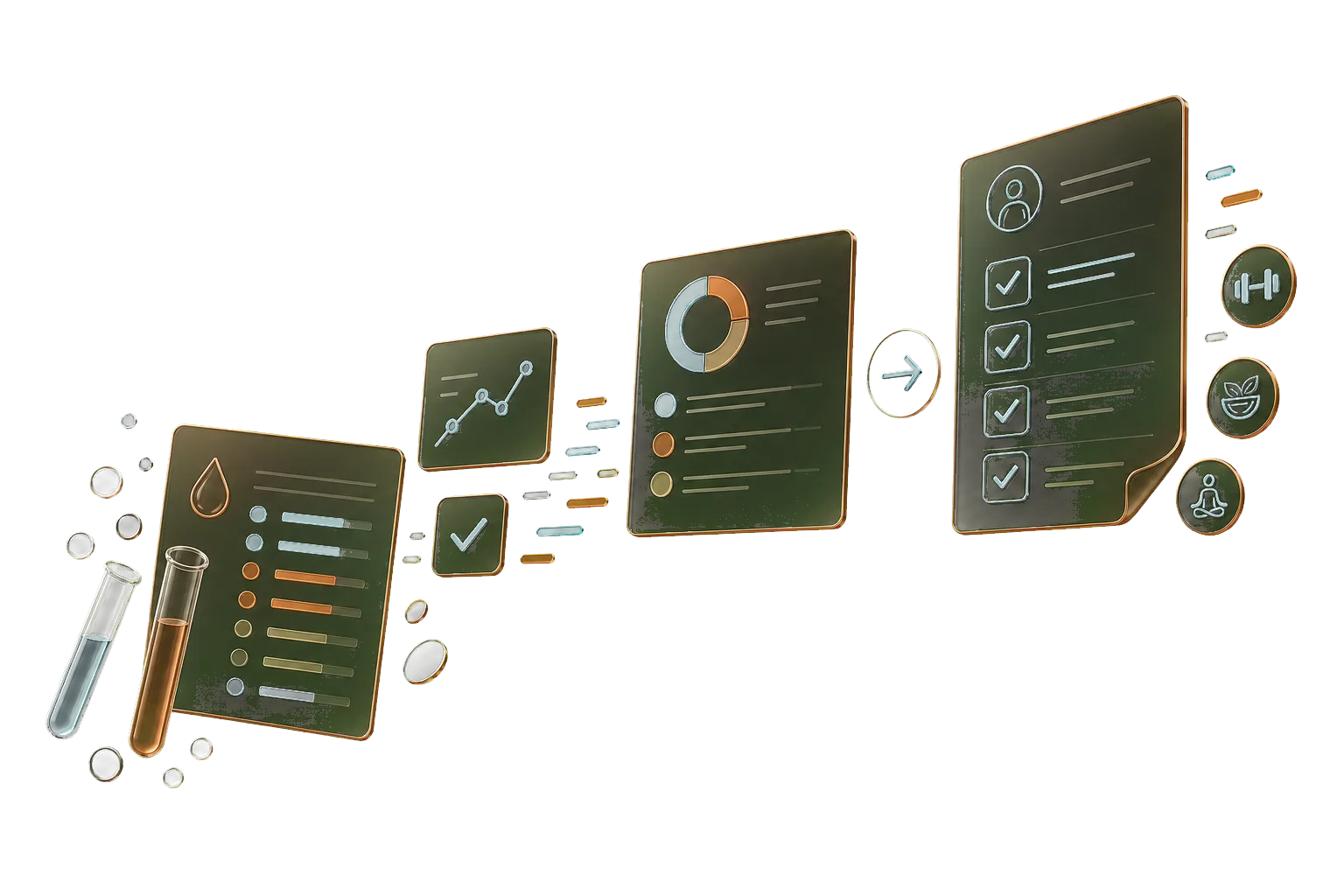
My Function Health bloodwork was strong overall. Inflammation, insulin, HbA1c, triglycerides, ApoB, Lp(a), and testosterone all gave me reassuring context. The useful caveats were specific: low omega-3 and advanced LDL particle markers gave me clearer prevention targets than a basic panel would have.
Strong baseline
The bloodwork was encouraging.
Useful caveats
Two targets made prevention concrete.
Omega-3 Total
3.2%
below range
LDL particle number
1279 nmol/L
above range
ApoB
81 mg/dL
in range
Lp(a)
23 nmol/L
in range
hs-CRP
0.2 mg/L
low inflammation
HbA1c
5.2%
reassuring
Insulin
3.9 uIU/mL
reassuring
Triglycerides
63 mg/dL
low
Personal lab values are included for context only. This is not medical advice.
Hidden signal
Particles changed the cholesterol story.
LDL-C looked reasonable. LDL particle number, small LDL, and medium LDL made the next question more specific.
Action lever
Omega-3 turned into a behavior.
A low 3.2% result made fish intake and supplementation harder to ignore.

Training response
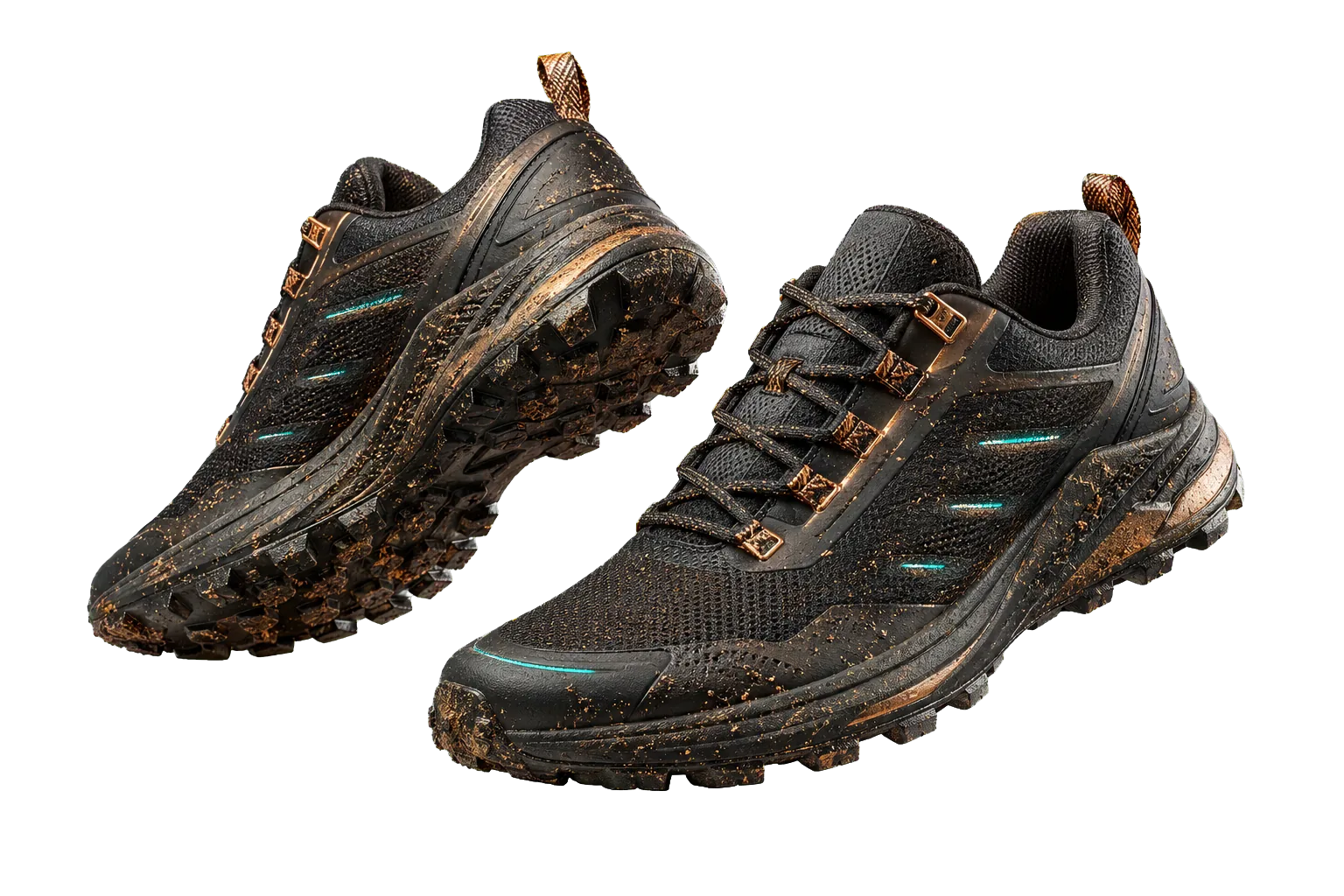
Zone 2 made running less like a punishment and more like a tool.
Before this process, I mostly avoided cardio or attacked it too hard. The epix Pro made heart-rate-zone running practical. Instead of trying to crush every run, I started using easier Zone 2 work and targeted Zone 4 intensity.
Zone 2
Control effort
Sustainable aerobic work gave me a way to build endurance without treating every run like a toughness test.
Zone 4
Keep intensity
Harder work still has a place. The difference is that it sits inside a plan instead of becoming the default.
The strange lesson: less effort on the right days helped me run farther. Four miles no longer felt like a ceiling.
Live feedback
The screen kept the run honest.
Pace, heart rate, and zone moved from abstract ideas to glanceable decisions.
Recovery and daily life
Sleep score and HRV are the same story in two languages.
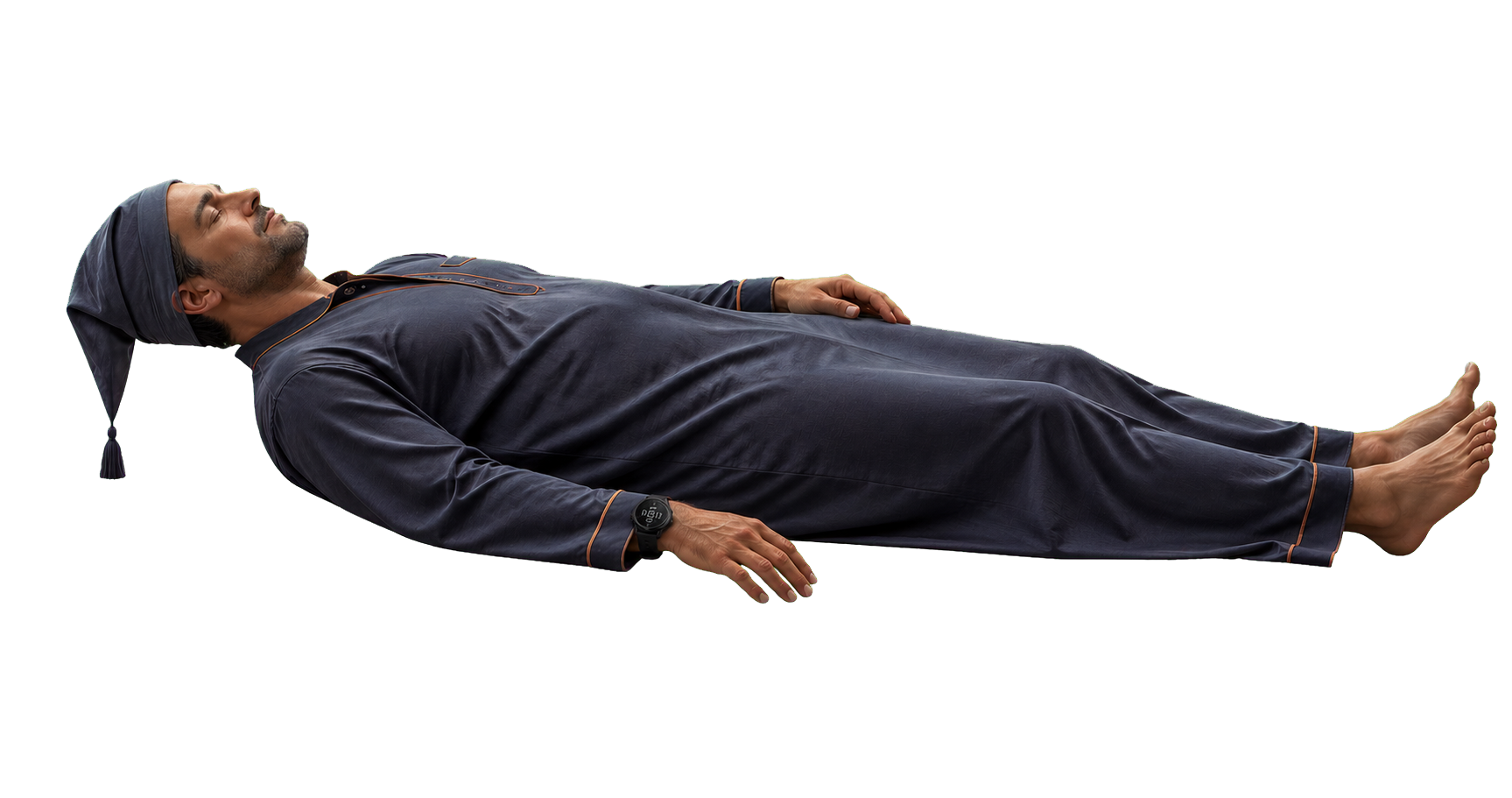
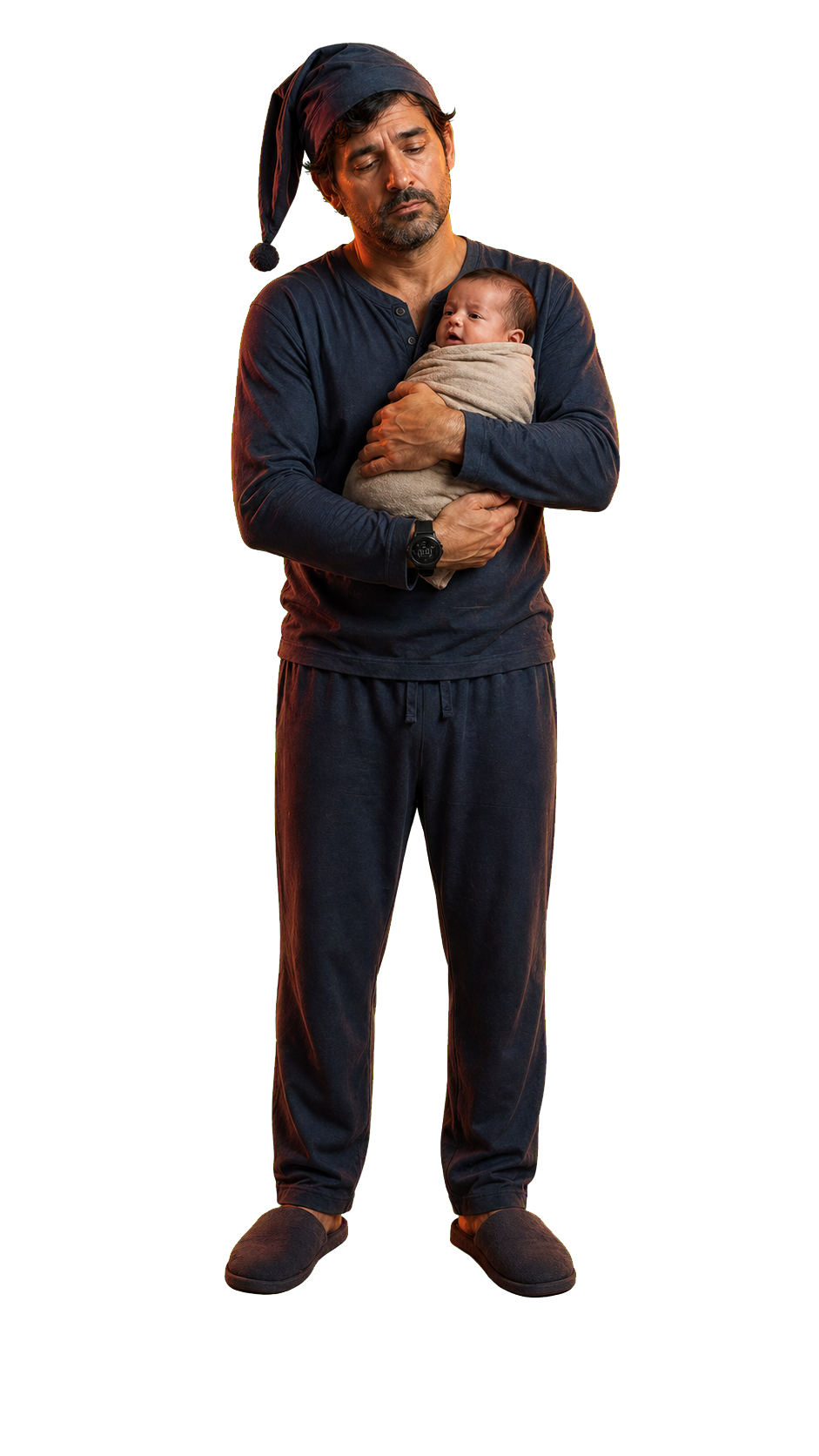
One number tells me how the night went. The other tells me how my nervous system seems to be absorbing it. The key is whether the tracker survives real parent-life interruptions instead of turning a 30-minute wake-up with my daughter into the start of the day.
Sleep score
The night has to count.
Duration matters, but so does continuity. WHOOP could treat a brief middle-of-the-night wake-up like I was up for the day, with no easy correction. A 30-minute check-in should not rewrite the whole night.
HRV status
Recovery is not a vibe.
I treat HRV as a trend, not a diagnosis. But when sleep gets fragmented, the next morning trend can become a useful prompt: train hard, train easy, or protect the next night.
Body Battery
Sleep charges. Stress drains.
Garmin describes Body Battery as a 5-100 energy gauge built from HRV, stress, and activity. That is the simple version of the story: a night can refill the tank, but interruptions and stress spend from it.
3:16 a.m.
The baby wakes up. The watch remembers the cost.
This is why HRV and sleep score belong together. For me, sleep is not just a recovery vibe; it affects the body-composition goals that brought me to all this data in the first place. In one controlled calorie-restriction study, 5.5 hours of sleep opportunity cut fat loss from 1.4 kg to 0.6 kg and increased fat-free mass loss from 1.5 kg to 2.4 kg compared with 8.5 hours. Sleep is not just rest. It changes what the body can protect.
2:37 a.m.
The room stays dark until the wrist light finds what matters.
Tiny feature, real utility
The flashlight is not a gimmick.
Getting up with my daughter, leaving bed early, using red light instead of a phone blast, moving through a dark room without waking anyone. It is a spec-sheet minor feature that became one of my most-used tools.
Key specs
The spec sheet only matters when it changes behavior.
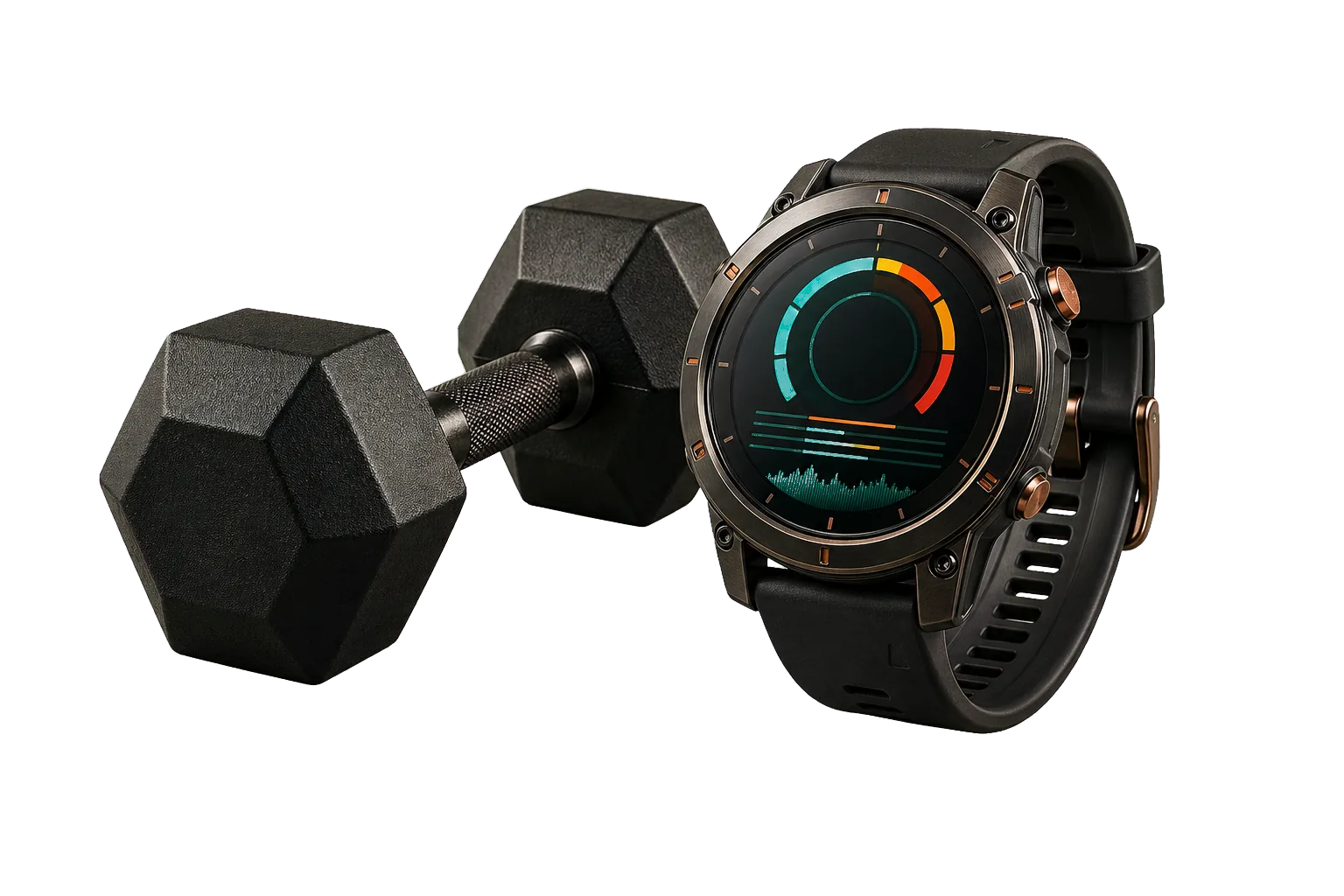
Garmin lists the 51mm epix Pro Gen 2 at up to 31 days in smartwatch mode, 11 days always-on, 82 hours GPS-only, and 58 hours GPS-only always-on. For me, that battery life is the difference between wearing the watch and slowly abandoning it.
Labs
Function Health gave me the deeper picture
The report showed a lot that was working, but it also exposed low omega-3 status and advanced lipid particle signals that a standard panel might not make obvious.
Watch
Garmin made the behavior visible
HRV, sleep, readiness, heart-rate zones, and training load put the health plan back on my wrist every morning.
Training
Zone 2 and Zone 4 gave cardio a job
Instead of running hard every time, I finally had a structure: build the aerobic base, then keep targeted intensity in the mix.
Follow-through
The data became harder to ignore
More fish, omega-3, psyllium, better sleep questions, structured running, and a plan to retest. That is the real win.
Specs that mattered
Not every spec changed my behavior. These did.
01 / Display
AMOLED
The screen is part of the behavior loop. I need visible feedback.
02 / Case size
51mm
Large, but the battery and glanceable data are worth it for me.
03 / Lens
Sapphire crystal
The more performance-first build over a lifestyle watch.
04 / Battery
Up to 31 days smartwatch, 11 days always-on
Low charging friction keeps it on my wrist.
05 / GPS battery
Up to 82 hours GPS-only, 58 hours always-on
Enough margin for long outdoor days.
06 / Flashlight
Built-in LED
A tiny feature that became daily-use infrastructure.
07 / Training
Readiness, HRV, Recovery, Acute Load, VO2 Max
Useful once lifting and structured cardio both mattered.
08 / Health
Sleep Score, Body Battery, stress, respiration, Pulse Ox support
Good enough to turn recovery into a daily question.
| Feature | epix Pro Gen 2 Sapphire Edition 51mm | Why it mattered |
|---|---|---|
| Display | AMOLED | The screen is part of the behavior loop. I need visible feedback. |
| Case size | 51mm | Large, but the battery and glanceable data are worth it for me. |
| Lens | Sapphire crystal | The more performance-first build over a lifestyle watch. |
| Battery | Up to 31 days smartwatch, 11 days always-on | Low charging friction keeps it on my wrist. |
| GPS battery | Up to 82 hours GPS-only, 58 hours always-on | Enough margin for long outdoor days. |
| Flashlight | Built-in LED | A tiny feature that became daily-use infrastructure. |
| Training | Readiness, HRV, Recovery, Acute Load, VO2 Max | Useful once lifting and structured cardio both mattered. |
| Health | Sleep Score, Body Battery, stress, respiration, Pulse Ox support | Good enough to turn recovery into a daily question. |
Comparison stack
The epix Pro won because it matched my brain, not because every other device was bad.
The watch I bought: epix Pro Gen 2 Sapphire Edition, 51mm.
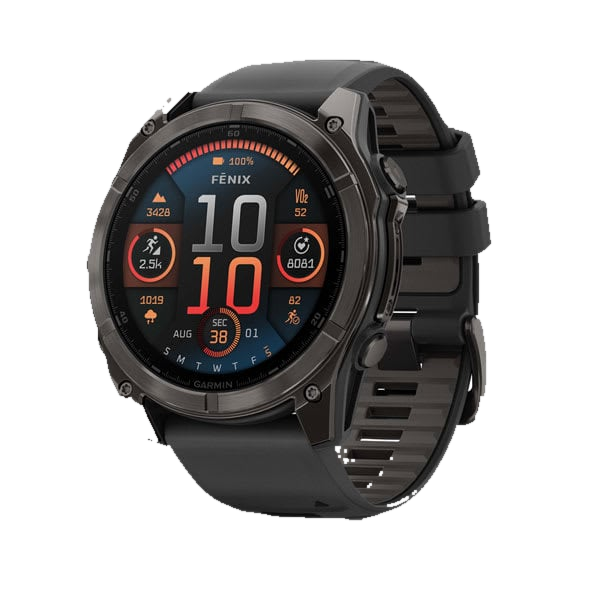
The flagship I considered: Fenix 8 AMOLED 51mm.
The real requirement: a dashboard that could survive lifting, running, and recovery.
screen vs no screen
Garmin epix Pro Gen 2 vs WHOOP
WHOOP is clean and recovery-focused. The epix Pro works better for me because I need real-time heart rate, pace, zone, readiness, maps, and a visible dashboard.
value vs newest flagship
Garmin epix Pro Gen 2 vs Fenix 8
Fenix 8 may make sense if you want the newest hardware, interface, voice-related features, or dive additions. I wanted the premium Garmin training stack at a better sale price.
performance vs lifestyle
Garmin epix Pro Gen 2 vs Venu 4
The Venu line is appealing if you want everyday health tracking and smartwatch comfort. The epix Pro feels like a more serious outdoor and training instrument.
training partner vs mini-phone
Garmin epix Pro Gen 2 vs Apple Watch
Apple Watch wins if you want texting, apps, cellular convenience, and iPhone integration. I wanted battery life, GPS, zones, HRV trends, sleep, and training accountability.
battery and screen space
Garmin epix Pro 51mm vs 47mm
The 51mm size is big, but it is the version that made the most sense for me because the larger battery and more glanceable screen reduced daily friction.
durability and premium build
Garmin epix Pro Sapphire vs standard
The Sapphire Edition mattered because I wanted the more performance-first build, sapphire lens, and confidence to wear the watch through lifting, running, travel, and daily parenting chaos.
my review unit matters
Garmin epix Pro Gen 2 vs Epix Gen 2
Many older Epix Gen 2 reviews are helpful, but this article is about the 51mm epix Pro Gen 2 Sapphire Edition I bought, including the battery profile, larger case, AMOLED screen, maps, and built-in flashlight.
What I do not love
Premium does not mean friction-free.
The epix Pro solved the right problems for me, but it is still a big, metric-heavy watch with a Garmin charging puck. The point is not perfection. The point is that it made the right behaviors more visible.
The 51mm case is large and will not suit every wrist.
Garmin Connect has a lot of metrics, and the learning curve is real.
The charging system is fine, but WHOOP-style on-wrist charging would be better.
HRV Status is useful, but I wish Garmin pushed users harder when a personal baseline still looks like an opportunity.
Verdict
It did not magically improve my health. It made the right behaviors easier to see.
For a data-driven 40-year-old who lifts, wants better heart health, has a young child, cares about longevity, and needs visible feedback to stay consistent, the Garmin epix Pro Gen 2 Sapphire Edition 51mm has been exactly the right device.
Check price on Amazon
FAQ
Garmin epix Pro questions, answered directly.
Is the Garmin epix Pro Gen 2 Sapphire Edition 51mm still worth it?+
Yes, especially if you can find it on sale. It still offers premium Garmin training features, an AMOLED display, strong GPS battery life, HRV Status, Training Readiness, maps, sleep tracking, and the built-in LED flashlight.
Is the Garmin epix Pro better than WHOOP?+
It depends on what you want. WHOOP is minimalist and recovery-focused, with no screen. The Garmin epix Pro is better if you want visible real-time data, GPS, heart-rate-zone training, maps, sleep score, training readiness, and a full watch experience.
Is the Garmin epix Pro Gen 2 better than the Venu 4?+
The Venu 4 is more of a lifestyle health smartwatch. The epix Pro Gen 2 is a higher-end performance and outdoor watch. If you want mapping, advanced running tools, battery, durability, and outdoor capability, the epix Pro is the stronger choice.
Why choose the 51mm Garmin epix Pro?+
The main reason is battery life. Garmin lists the 51mm epix Pro Gen 2 at up to 31 days in smartwatch mode with gesture display, up to 11 days with always-on display, and up to 82 hours in GPS-only mode.
Is this the same as the Garmin Epix Gen 2?+
No. This review is specifically about the Garmin epix Pro Gen 2 Sapphire Edition in the 51mm size. Older Epix Gen 2 reviews can still be useful, but my buying decision centered on the 51mm Pro model, battery life, AMOLED display, maps, training features, and built-in flashlight.
Should I buy the 51mm epix Pro or the 47mm epix Pro?+
Choose the 51mm if you want the largest screen and strongest battery profile and can comfortably wear a bigger watch. Choose the 47mm if wrist fit and lower bulk matter more than maximizing battery life.
Is the Sapphire Edition worth it?+
It made sense for me because I wanted the more premium, performance-first build and sapphire lens. If your watch lives an easier life and price is the main concern, the standard version may be enough.
Does the Garmin epix Pro have a flashlight?+
Yes. The epix Pro Gen 2 includes a built-in LED flashlight. In daily life, that became one of my favorite features for early mornings, dark rooms, and red-light use around sleep.
Is Garmin Training Readiness useful?+
It became useful once I added structured cardio. Garmin Training Readiness uses inputs such as sleep, recovery, HRV status, acute load, recent sleep history, and stress history. For someone balancing lifting, running, parenting, and recovery, that context is valuable.
Is HRV on Garmin useful?+
Yes, but I treat it as a trend and a prompt for better questions, not a diagnosis. For me, HRV became a recovery signal and a reminder to improve sleep, cardio structure, and stress management.
Sources
Receipts for the specs and health context.
Related 01
Function Health review
The lab-testing story behind this Garmin review, including omega-3, lipid particles, and AI-assisted interpretation.
Related 02
Zone 2 and Zone 4 learning curve
The Garmin run story behind why I stopped turning every run into a redline test.
Related 03
Strength training after 40
The strengthspan side of the same health loop: muscle retention, protein, creatine, recovery, and metabolic infrastructure.
Related 04
Apple Watch Ultra 4 vs my epix Pro (Gen 2)
The owner’s switch decision: the Garmin routine I know against Apple’s new health features, connected safety, and charging demands.
Related 05
HRV after 40
How this watch grades overnight HRV against a personal baseline, and how to respond to Unbalanced or Low mornings without panic.
Related 06
Garmin heart-rate zones setup
The setup checks that make the zone alerts on this watch trustworthy before building Zone 2 and Zone 4 training around them.
Important note
This article is based on personal experience and is not medical advice. Wearable data and lab results should be reviewed with a qualified healthcare professional, especially when they involve cardiovascular risk, cholesterol, inflammation, hormones, nutrient status, sleep, or clinically meaningful markers.